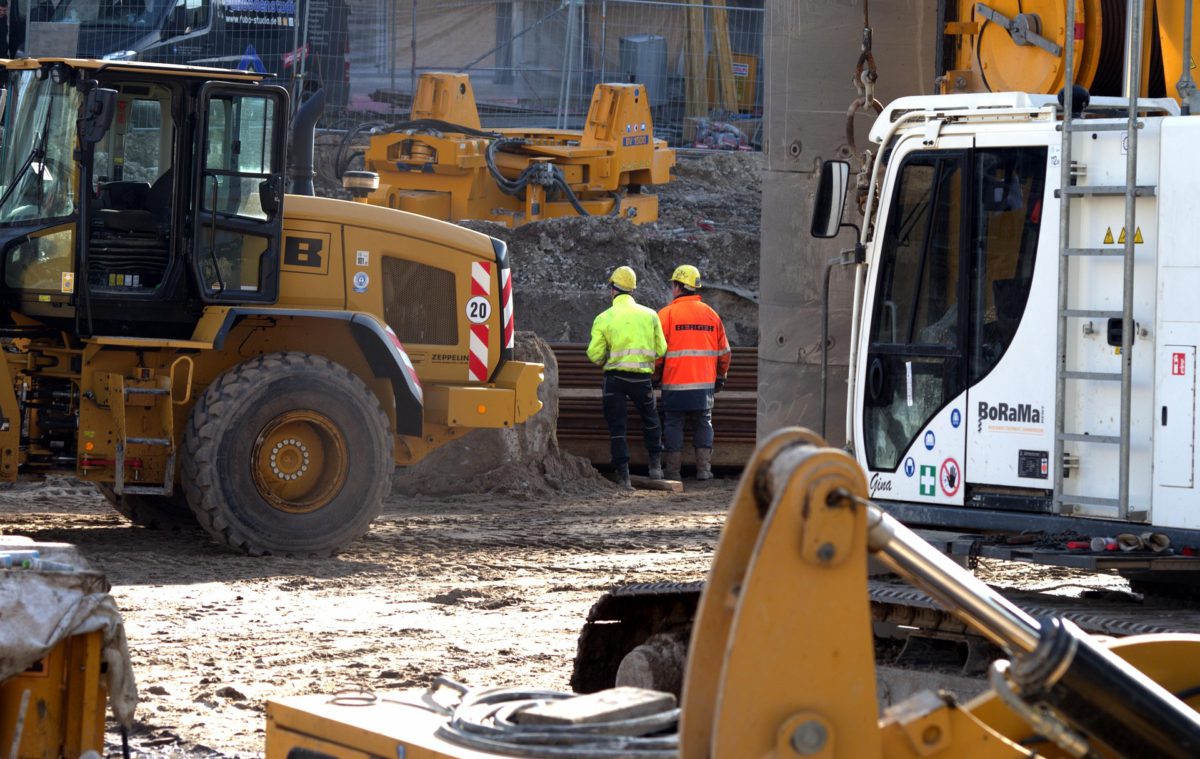
In heavy manufacturing environments where large steel components are processed and transported, specialised lifting equipment plays a critical role in maintaining operational efficiency. Facilities that move large steel plates or slabs between furnaces, rolling mills and storage areas depend on engineered lifting systems designed for extreme loads. Equipment such as slab scissors allows operators to grip and lift steel slabs securely during transfer operations, while a slab crane provides the overhead lifting capacity required to move these materials safely across industrial production floors.
Steel Slab Movement in Industrial Facilities
Steel slabs are a fundamental component in the early stages of metal production. After casting, these heavy sections must be transported through several stages of processing, including cooling, storage, reheating and rolling. Each stage requires reliable handling systems capable of lifting large loads without introducing instability or delays in the production process.
Material handling solutions must accommodate the weight, shape and surface conditions of slabs while maintaining controlled movement. Steel slabs are typically wide, flat and extremely heavy, which means lifting systems must distribute load forces evenly. When lifting equipment is engineered specifically for slab handling, operators can move materials more efficiently between workstations without compromising safety or workflow.
Facilities that operate large steel processing lines rely on lifting infrastructure that supports continuous material flow. Efficient load transfer between production areas helps maintain consistent output levels while minimising unnecessary handling steps.
Purpose-Built Gripping Systems
Industrial lifting attachments designed for slab handling use mechanical gripping systems that adapt to the weight of the load. When the slab is lifted, the gripping mechanism tightens proportionally to the applied lifting force. This design helps stabilise the load and prevents shifting during vertical movement.
A secure grip is essential when transporting heavy steel slabs across factory floors. Any movement or imbalance in the load can introduce operational risks and disrupt nearby equipment. Specialised gripping systems ensure the slab remains securely held while the lifting system moves it to the next processing stage.
Purpose-built lifting attachments also reduce the need for manual positioning or secondary securing equipment. By allowing operators to lift slabs directly from storage stacks or production lines, these systems streamline handling procedures and reduce unnecessary intervention.
Overhead Lifting Infrastructure
Industrial facilities that process heavy materials often rely on overhead lifting infrastructure to move loads across large production areas. Ground-level transport systems can become inefficient when dealing with oversized materials, particularly in busy facilities where multiple processes occur simultaneously.
Overhead lifting equipment allows operators to move steel slabs above the working environment, reducing congestion and improving material flow between departments. By suspending loads from structural rails installed within the building, lifting systems can transport materials efficiently across long distances.
Operators maintain full control over the load’s movement, including lifting height, horizontal travel and positioning accuracy. This level of control allows heavy materials to be placed precisely within storage areas, processing stations or transport vehicles without interfering with surrounding operations.

Integration with Production Workflows
Material handling equipment must align closely with the overall workflow of the facility. Steel slabs may move from casting areas to cooling zones, then to reheating furnaces before entering rolling mills. Each stage requires lifting systems capable of handling large loads quickly and accurately.
Facilities often design lifting operations around predictable production cycles. When lifting equipment operates smoothly within these cycles, materials can be transferred between stages without creating bottlenecks. Efficient handling helps ensure that upstream and downstream production processes remain synchronised.
Reliable lifting systems also allow operators to organise slab storage more effectively. Heavy materials can be stacked in structured layouts that maximise available space while maintaining accessibility for future processing stages.
Operational Safety in Heavy Lifting
Safety remains a priority when handling heavy industrial materials. Steel slabs often weigh several tonnes, meaning lifting equipment must operate within clearly defined load limits and mechanical tolerances. Lifting systems used in steel processing facilities are designed to support these requirements while maintaining predictable performance.
Operators rely on lifting equipment that provides controlled motion and stable load positioning. Smooth lifting and lowering actions reduce the likelihood of sudden movement, which could compromise safety or damage surrounding equipment.
Routine inspection and maintenance procedures help ensure lifting equipment continues to perform as expected. Mechanical components must remain in optimal condition to support reliable operation in demanding industrial environments where equipment is used continuously throughout production cycles.
Improving Efficiency in Material Handling
Efficient handling of steel slabs has a direct impact on overall production performance. When lifting operations are streamlined, facilities can reduce the time required to reposition materials and prepare them for further processing.
Well-designed lifting infrastructure allows operators to move large loads with minimal delay. Accurate positioning and stable lifting behaviour reduce the need for corrective adjustments, enabling materials to be transferred smoothly between processing stages.
In high-output industrial facilities, even small improvements in material handling efficiency can significantly improve production throughput. Reliable lifting systems help maintain consistent operational flow while supporting the broader objectives of productivity and safety within the facility.





 ferred from the printing plate to a rubber blanket and finally to the printing surface.
 d individual business. If you supply a service, client support is very likely to be an integral business driver; in case you’re a high-volume maker, the production-line rate is going to be an integral business driver.

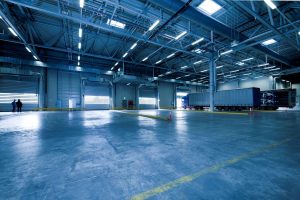

 For years now, consumers have been buying more goods online. According to the Census Bureau in the next quarter, on a seasonally adjusted basis e-commerce earnings topped more than $111 billion, or 8.9 percent of all retail sales. Industry forecasters anticipate e-commerce sales to keep on growing. Warehouses often reveal little about what goes on inside their walls, but the buildings make possible the rapid delivery which customers now expect from online retailers. They function as storage and distribution points for goods which range from auto parts and materials for hot water service repairs to pharmaceuticals. And warehouse projects have grown rapidly since 2010, forming a critical part of the employment base in communities throughout the country.
 While in some vineyards the romantic vision of hand pickers is genuinely the case, (with places like

 Powered by a Kubota 47kW (63hp) diesel motor, Kubota says the power plant features low noise, low vibration and low fuel intake. The spacious taxi ergonomic design is created to keep the operator comfortable for long shifts, consisting of a full suspension adjustable seat. A key-based, anti-theft system keeps the R065 protected. Six tie-down points guarantee simple and safe and secure transport, perfect to
  For centuries, archaeologists and historians have been baffled by how Stonehenge was constructed. The largest of the Sarsen stones transferred to Stonehenge weighs 50 tonnes which indicates that transportation by boat would have been difficult without the cloud services technology we have these days to assist with cranes. Legend holds that ancient druids levitated the stones into location with their eldritch routines. The fact may be a bit less interesting, however just as fascinating. The dominating theory is that the stones were actually dragged utilizing an intricate series of sledges, ropes, ramps, and levers. The stones of the Pyramids of Giza were likely raised into location in a comparable fashion. The “regular” pieces that travellers see on the outside surface of the pyramids are 3 tons each, however the biggest supporting pieces weigh approximately 70 tons. Think that’s outstanding? The Colossi of Memnon each weighed 700 tons each.